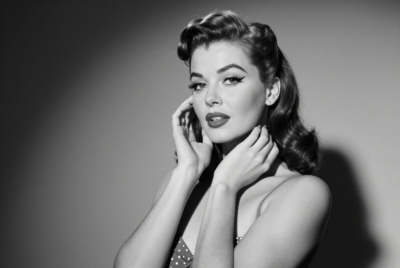
Rediscovering the Charm of 1960s and 1970s Pin-Up Models
In an era dominated by digital media and instant gratification, there’s something uniquely captivating about the allure of 1960s and 1970s pin-up models. These iconic figures, with their timeless beauty and classic charm, continue to enchant audiences decades after their heyday. Rediscovering the charm of these vintage pin-up models is not just a nostalgic journey; it’s a celebration of an art form that defined a generation and left an indelible mark on popular culture.
The Golden Age of Pin-Up
The 1960s and 1970s were a golden age for pin-up culture, a time when the genre reached new heights of creativity and sophistication. During this period, pin-up models were more than just objects of desire; they were symbols of femininity, confidence, and allure. Icons like Bettie Page, Marilyn Monroe, and Raquel Welch embodied the spirit of the era, each bringing a unique charm and style that captivated the public imagination.
Bettie Page, often referred to as the “Queen of Pin-Ups,” was a trailblazer who pushed the boundaries of what was acceptable in pin-up photography. Her bold and playful poses, combined with her innocent yet provocative expressions, made her an instant classic. Page’s influence extended far beyond her time, inspiring generations of models and photographers and cementing her status as a cultural icon.
Marilyn Monroe, on the other hand, represented the epitome of Hollywood glamour and sensuality. Her pin-up images, characterized by soft lighting and dreamy poses, captured the essence of feminine mystique. Monroe’s ability to convey both vulnerability and strength in her photographs made her a timeless symbol of beauty and desire.
Raquel Welch, with her exotic beauty and charismatic presence, brought a new dimension to pin-up culture in the 1970s. Her images, often featuring her in daring and adventurous scenarios, reflected the changing attitudes towards sexuality and empowerment during that decade. Welch’s confidence and allure made her a role model for many, embodying the spirit of the independent and liberated woman.
The Artistry of Pin-Up Photography
Pin-up photography is an art form that requires skill, creativity, and a keen eye for detail. During the 1960s and 1970s, photographers like Irving Klaw and Bunny Yeager were at the forefront of this creative revolution. Their innovative use of lighting, composition, and props created visually stunning and emotionally resonant images that continue to captivate audiences today.
Irving Klaw, known for his work with Bettie Page, was a master of capturing the essence of his subjects. His photographs, characterized by their playful and often surreal elements, brought a unique perspective to pin-up culture. Klaw’s ability to create a narrative within a single image, often incorporating props and settings that added depth and context, made his work stand out and influenced a generation of photographers.
Bunny Yeager, another legendary figure in pin-up photography, was known for her pioneering work with African American models, including the iconic Carolyn Jones. Yeager’s photographs, often shot in exotic locations, captured the spirit of adventure and liberation that defined the 1970s. Her innovative use of natural light and outdoor settings brought a fresh and dynamic energy to pin-up photography, expanding the genre’s boundaries and inspiring a new wave of creativity.
Cultural Impact and Legacy
The influence of 1960s and 1970s pin-up models extends far beyond the pages of magazines and calendars. These icons became symbols of femininity, desire, and empowerment, reflecting and shaping the cultural landscape of their time. The pin-up genre played a significant role in the feminist movements of the 1960s, challenging traditional notions of womanhood and sexuality. Models like Page and Welch embodied a new type of femininity—one that was confident, independent, and unapologetically sensual.
In the 1970s, as the sexual revolution gained momentum, pin-up culture evolved to reflect the changing attitudes towards sexuality and gender roles. The decade saw a rise in alternative and underground pin-up scenes, featuring models who pushed the boundaries of conventional beauty and challenged societal norms. This diversity and inclusivity within pin-up culture ensured that it remained a relevant and dynamic art form, continuing to inspire and captivate audiences.
Preserving the Legacy
As we rediscover the charm of 1960s and 1970s pin-up models, it’s essential to preserve their legacy for future generations. Organizations and enthusiasts around the world are dedicated to archiving and restoring the original photographs, ensuring that the artistry and allure of this era are not lost to time. High-resolution scans and digital restorations bring these vintage images to life, allowing new audiences to appreciate the craftsmanship and creativity of the original works.
Moreover, the resurgence of interest in vintage pin-up culture has led to a renewed appreciation for the models and photographers of the era. Exhibitions, books, and online platforms like SixtiesSeventiesPinUps.com provide a space for education, discussion, and celebration, ensuring that the stories and contributions of these icons are remembered and honored.
Embracing the Nostalgia
Rediscovering the charm of 1960s and 1970s pin-up models is also about embracing the nostalgia and romanticizing the past. There’s a certain allure to the simplicity and elegance of an era gone by, a time when pin-up models were not just objects of desire but also symbols of aspiration and empowerment. The vintage aesthetic, characterized by its bold colors, playful poses, and timeless beauty, offers a refreshing contrast to the often overly polished and digitalized images of today.
For many, engaging with this nostalgia is a way to escape the complexities of modern life and immerse themselves in a world of classic glamour and sophistication. The pin-up models of the 60s and 70s represent a time of innocence and optimism, a period when the future seemed bright and full of possibilities. By rediscovering their charm, we not only pay homage to the past but also find inspiration and comfort in the timeless allure of vintage beauty.
Conclusion
Rediscovering the charm of 1960s and 1970s pin-up models is a journey through time, a celebration of an art form that defined a generation and left an indelible mark on popular culture. From the iconic models who graced the pages of magazines to the legendary photographers who captured their essence, this era of pin-up culture is a testament to the enduring allure of classic beauty and elegance.
As we continue to explore and appreciate the work of these icons, we ensure that their legacy lives on, inspiring future generations and reminding us of the timeless charm and sophistication of an era gone by. So, whether you’re a seasoned enthusiast or a curious newcomer, take a moment to rediscover the enchanting world of 1960s and 1970s pin-up models and experience the magic for yourself.
Welcome to a World of Vintage Glamour
At sixtiesseventiespinups.com, we invite you to step into a captivating era where elegance and allure defined beauty standards. Our website is dedicated to celebrating the iconic pin-up models of the 1960s and 1970s, a time that continues to inspire fashion and culture even today.
A Journey Through Pin-Up Culture
Pin-up models from this golden age embodied confidence and charm, captivating audiences with their glamorous poses and timeless style. Each photograph is a snapshot of a world characterized by bold fashion choices and an unapologetic embrace of femininity. Our curated collection showcases the most stunning representations of this era, allowing you to immerse yourself in the aesthetics of vintage glamour.
Explore Iconic Figures and Their Legacy
As you explore sixtiesseventiespinups.com, you’ll discover not only the most famous figures but also the lesser-known artists who contributed to this unique cultural phenomenon. Each pin-up model tells a story, and through our platform, we aim to honor their legacy while inspiring a new generation to appreciate the beauty of vintage pin-up culture. Join us in celebrating the charm that continues to resonate in today’s fashion and art.